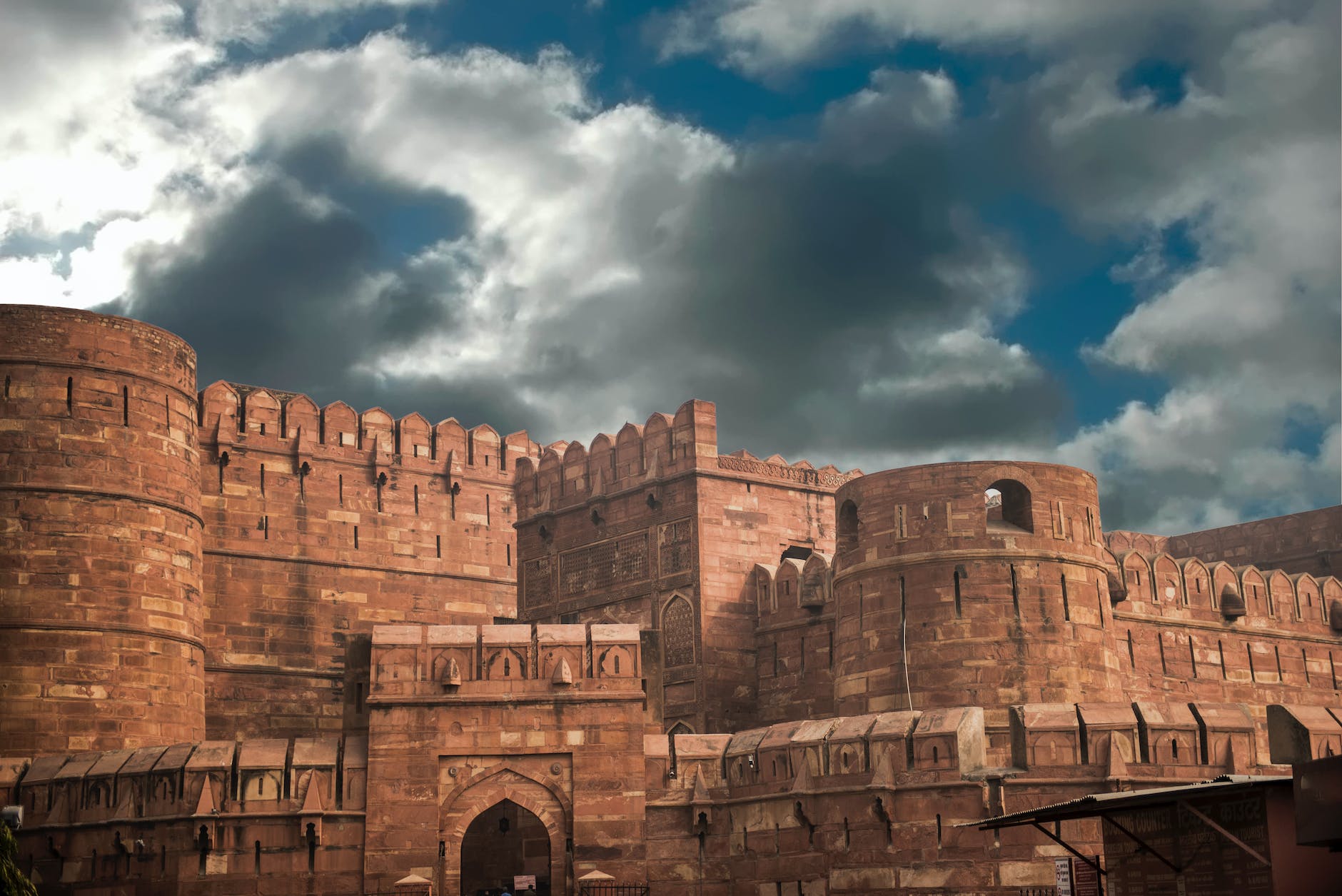
The rule is, not to besiege walled cities if it can possibly be avoided.
The Art of War, Sun Tzu (translated by Lionel Giles)
As you could easily guess, even if you’ve never read The Art of War before, a lot of what the author and military strategist Sun Tzu suggests when it comes to war, is about putting yourself in the best possible position to win in the first place.
There are entire sections of the book that are dedicated to picking out the right time and place for battle. It’s about using your resources to the best of their ability. There was a time when warfare was about lining up and trading hits until only one side was left standing. Eventually, strategy came into play, and an important part of strategy is knowing when to fight, and when to flee.
Now, obviously, you don’t always get to dictate the terms of battle. Sometimes, it comes to you, and there is no way out of it. When that happens, it’s best to have at least a minor idea of how to engage the enemy, and the wider the base you have from which to work, the better off you are.
Thankfully, in this day and age, most of us don’t have to worry about going into battle. We don’t have to worry about foreign armies invading our lands. We don’t have to worry about territorial disputes spilling over into a major clash between armies. (Obviously, that’s not true in every part of the world, as we all know.) However, that doesn’t mean we don’t have our own battles to face.
As you approach something difficult in your life or in your business, what are the challenges that await you? How will you approach those challenges? Will you meet them in the open field of battle, or are they going to require something else? Are they a walled city? Are they challenges that are deeply entrenched, and it’s going to take a lot of time and resources to overcome them?
The point that Sun Tzu is making here is that we should not besiege a walled city because it’s probably going to take more time and resources than it truly necessary. Those behind the wall have a strong defense. The areas where the wall can be penetrated are going to be heavily defended, and the cost is going to be high. But, if there’s another way…
Did you know that Jerusalem wasn’t always part of Israel? In 2 Samuel 5, Jerusalem belonged to the Jebusites. It was a fortified city on a higher elevation than the rest of the area. It was going to be very difficult to capture, and the inhabitants knew it. In fact, in 2 Samuel 5:6, they even taunt David saying that even the blind and lame could turn them away. He had to find a different way.
If a besieged city has access to water, it can hold out for a long, long time. Jerusalem had such access, and David used it to his advantage. Instead of laying siege to the city, his men went up the water shaft, which was not defended – because when we are over confident, we have a tendency to overlook such details – and they conquered the city. All it took was a few people thinking about the problem in a different way, finding a different path, and they were able to overcome the obstacles in the way.
Whatever you face in life, even if it seems like a walled city, there’s another approach that can help you overcome it. Don’t besiege a walled city. Find a different path inside.

 Pastor Swish - Life, Ministry, and Other Stuff